
Packing Fragile and Sentimental Items for Long-Term Storage
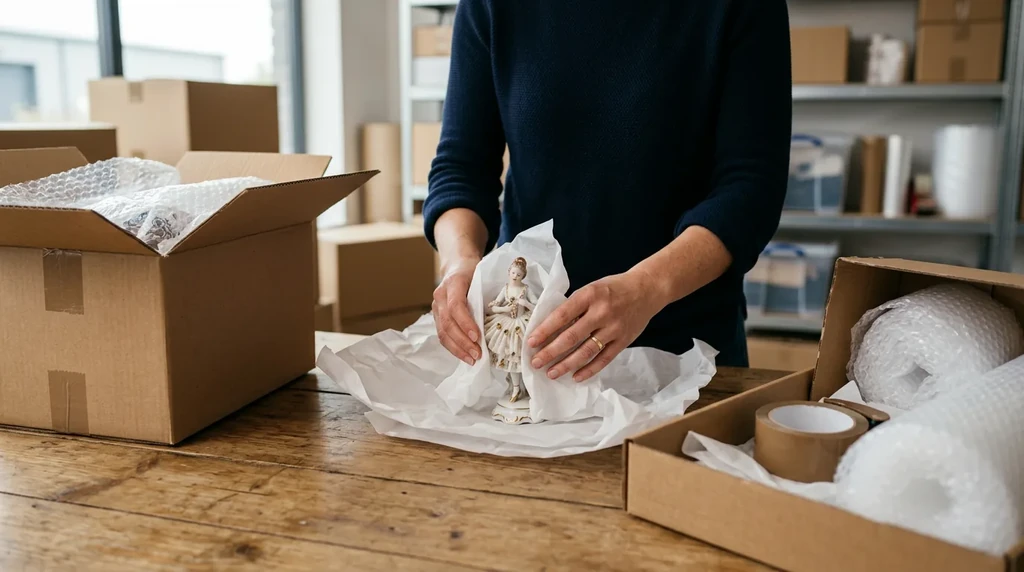
A grandmother's china set, a box of framed photos from a family home that just sold, and a collection of ceramic figurines that took decades to build are the kinds of things that don't fit neatly into a donation pile or a trash bag, and they shouldn't have to. When fragile or sentimental items need long-term storage, how you pack them matters far more than most people expect. A little extra care at the start can be the difference between pulling something out in good condition two years later and finding it cracked, scratched, or warped.
Start With the Right Packing Materials
The single most common mistake people make when packing fragile items is reaching for whatever boxes and newspapers happen to be around. Newsprint ink transfers onto surfaces, especially porous ceramics and unfinished wood, and standard moving boxes compress under weight over time. For anything that matters, invest in purpose-built materials before you start.
Keep acid-free tissue paper on hand for items with painted or lacquered surfaces, including ceramics, framed art, and decorative objects. Bubble Wrap adds a second layer of cushioning around the item itself. Double-walled cardboard boxes hold their shape under stacking pressure far better than single-walled boxes, which is important when a unit holds items for months or years rather than a few weeks during a move.
Packing peanuts and foam sheets fill dead space inside boxes so items can't shift during transport or when other boxes are stacked on top. Silica gel packets placed inside sealed boxes help manage the environment around items sensitive to temperature swings. For framed artwork and mirrors, purpose-made corner protectors and picture boxes are worth the investment over improvising with standard boxes.
How To Pack Specific Fragile Items
Dishes and Ceramics
Plates store better on their edge than flat. Stacking plates flat concentrates weight on the bottom piece, and even with padding, the pressure adds up over time. Stand them vertically in a box lined with foam, with a sheet of Bubble Wrap or foam between each plate. Cups and bowls nest well but need individual wrapping first. Pack heavier ceramic pieces at the bottom of a box and lighter ones on top.
Framed Photos
Glass is the obvious concern, but frames can warp or bow if stored in conditions with repeated temperature swings. Wrap each frame individually in acid-free tissue, then a layer of Bubble Wrap, and store frames vertically rather than flat. Never store framed items directly on a concrete floor, as concrete can transfer cold and draw condensation onto the bottom of the frame over time. A wooden pallet or a shelf keeps them elevated.
Wooden Furniture and Decorative Wooden Items
Wood expands and contracts with temperature changes, which, over long storage periods, can loosen joints, crack finishes, or lift veneer. Storing wooden pieces in a climate-controlled storage unit that maintains a consistent temperature range greatly reduces this risk. Disassemble what you can to reduce stress on joints and wrap legs and edges in moving blankets or furniture pads rather than plastic wrap, which can trap heat against the surface.
Textiles, Quilts, and Fabric Items
Folded fabric stored under pressure for a long time develops permanent creases. For quilts, linens, or fabric-based keepsakes, roll rather than fold where possible, and store them in breathable cotton bags or acid-free boxes rather than plastic bins. Plastic traps heat and can cause natural fibers to yellow over time. Cedar blocks placed nearby deter insects without the chemical residue of mothballs.
Labeling and Organizing for Long-Term Access
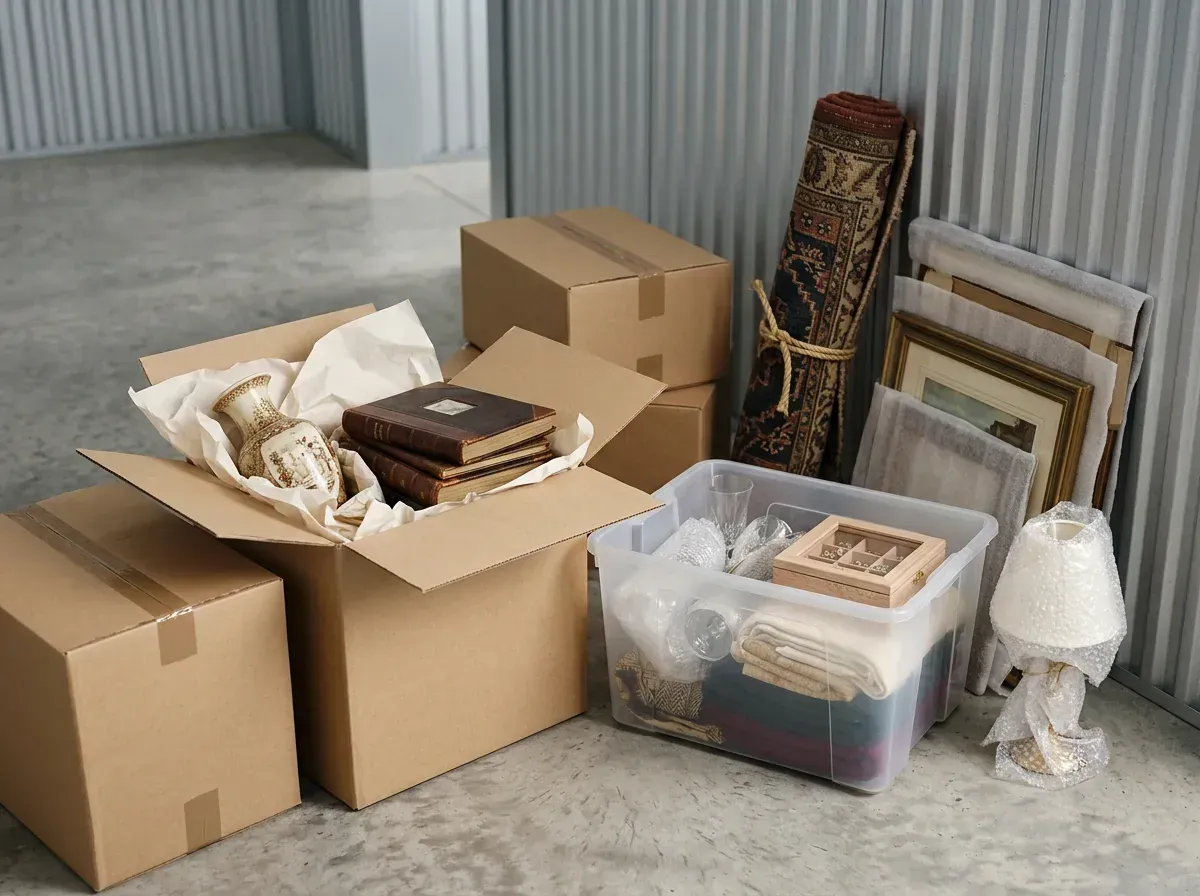
Boxes packed for long-term storage tend to get stacked and forgotten in ways that short-term moving boxes don't. A label that says "fragile" is a start, but it's not enough. Write the contents on at least two sides of each box so you can read the label regardless of how it ends up stacked. Consider a simple numbered inventory system: assign each box a number, keep a corresponding list (digital or paper) of what's inside, and note which boxes contain the most fragile items so they always end up on top.
Color-coded tape is a low-effort way to flag boxes that need special handling. Use red tape for fragile items, blue for items that should never be stacked under weight, and so on. It takes an extra minute per box and saves a lot of guesswork when you're unloading a unit months later.
.webp)
Choosing the Right Unit for Fragile and Sentimental Items
Not every storage unit type is the same. A standard drive-up unit works well for furniture, seasonal gear, and equipment, but for items sensitive to temperature swings, a climate-controlled unit is worth the investment. Temperature-regulated environments keep the air inside within a consistent range year-round, which matters for wood, electronics, musical instruments, and anything with a painted or lacquered finish.
Unit size is also worth thinking through before you rent. Packing a fragile item into a unit that's too small forces you to stack boxes higher and tighter than is ideal. A unit with a bit of room lets you arrange things so fragile boxes stay on top and nothing gets crushed by the weight of items packed around it. The unit size guide at Artifacts Self Storage is a useful starting point for matching your items' volume to the right unit size.
If you're still deciding where to store, the Artifacts Self Storage locations page lists all available facilities, including options in Rogers, AR, where several locations offer climate-controlled units suited for exactly this kind of storage.
A Few Things Worth Doing Before You Close the Unit Door
Before sealing a box, take a photo of the contents. It takes seconds and gives you a visual record that's far more useful than a handwritten list when you're trying to remember exactly how something was packed. For items with existing chips, cracks, or wear, photograph those too so you have a clear before-and-after reference.
Leave a clear path to your most frequently needed boxes. If there's any chance you'll need to retrieve something from the unit in the next six to 12 months, don't bury it behind everything else. Stack the items you're least likely to need first, and keep the things you might want to access toward the front.
Long-term storage works best when you treat packing as its own project rather than an afterthought at the end of a move. The items that matter most deserve the time to pack them properly, and a well-organized unit makes it much easier to retrieve them in good condition when the time comes.